Cold pressed oil vs refined oil is one of the most important comparisons if you care about long-term health. Cooking oil is used every day, so even small quality differences can impact nutrition over time.
Traditional Indian kitchens used wood pressed (cold pressed) oils for generations. But refined oils became popular because they are cheap, clear, and have longer shelf life. Today, many families are switching back because they want a more natural, chemical-free cooking option.
In this guide, we will explain the difference between cold pressed oil and refined oil, compare health benefits, cooking performance, and help you choose the best oil for daily Indian cooking.
What Is Cold Pressed Oil?
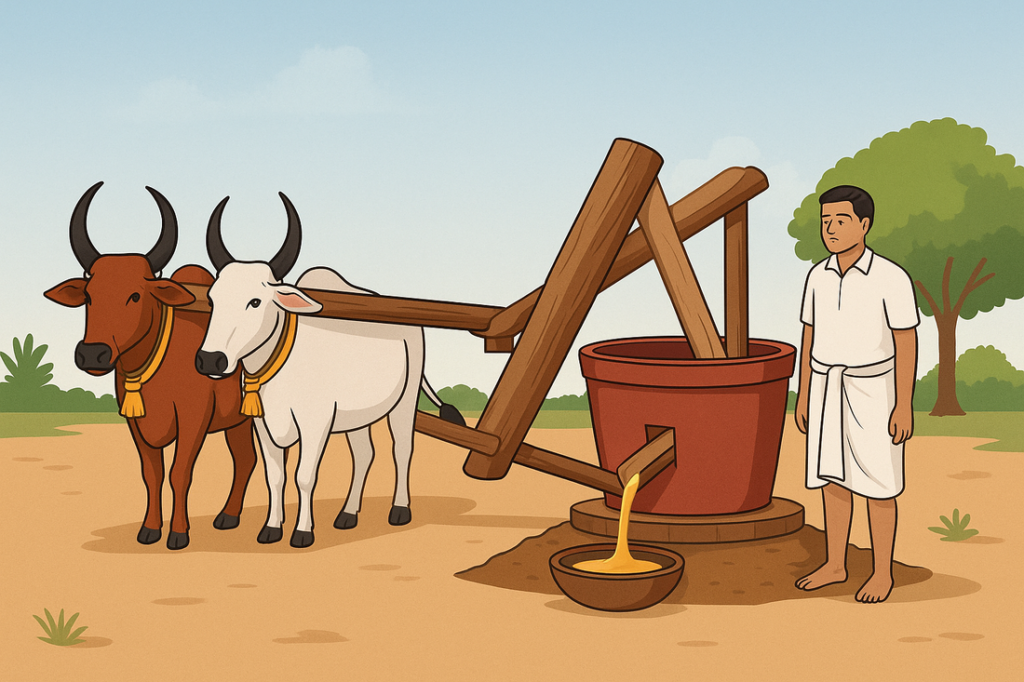
Cold pressed oilis extracted by crushing seeds or nuts at a low temperature. This method avoids high heat and chemical processing, helping the oil retain its natural nutrients. cold pressed oil vs refined oil
Cold pressed oil is also called:
Wood pressed oil
Chekku oil
Ghani oil
Because it is minimally processed, it usually has:
Refined oil is produced using industrial processing methods such as high heat, filtering, bleaching, deodorizing, and sometimes chemical solvents. This is done to:
Cold pressed oils are popular because they are closer to natural food.
Cold pressed oil benefits include:
Supports a healthier cooking lifestyle
Natural fats remain more intact
Better flavor for traditional Indian recipes
Often preferred for long-term daily use
Concerns With Refined Oil
Refined oils are widely used, but they are more processed. Because of heavy refining, refined oils often have:
Reduced natural antioxidants
Neutral flavor (because deodorized)
More processing steps before reaching your kitchen
If your goal is long-term health, many people prefer cold pressed oil over refined oil because it feels more natural and less processed.
When comparing cold pressed oil vs refined oil, it is important to understand how processing affects nutrition and health benefits. Many health experts today recommend choosing cold pressed oil vs refined oil for daily cooking.
Cooking Performance: Which Is Better for Indian Cooking?
When it comes to daily Indian cooking, people want an oil that works for:
tempering (tadka)
frying snacks
sabzi, sambar, curries
dosa/roti cooking
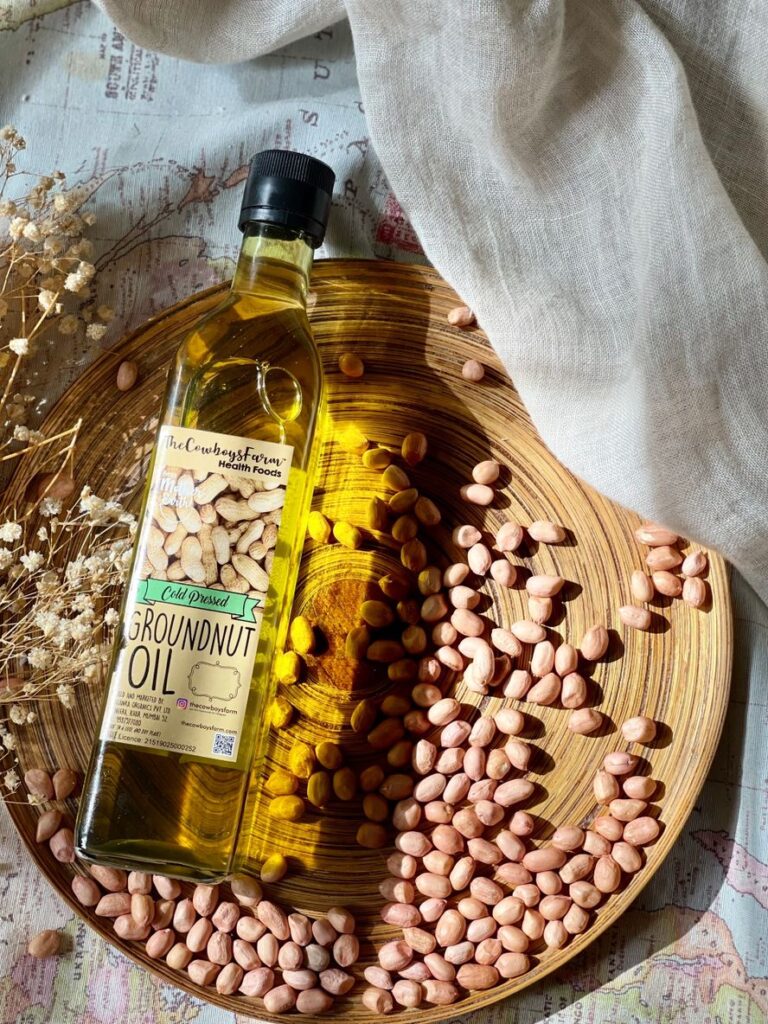
Cold pressed groundnut oil is a common choice because it has a good cooking performance and natural taste for Indian food.
Can Cold Pressed Oil Be Used for Frying?
Yes — cold pressed oil can be used for frying, especially oils like groundnut oil that are commonly used in Indian kitchens. Key rule: don’t overheat and reuse oil too many times (this applies to any oil).
Which Is Better: Cold Pressed Oil or Refined Oil? If your priority is a more natural choice, the answer is clear for most families:
✅ Good packaging (glass or quality food-grade container)
Cold pressed oil vs refined oil comparison is becoming more important as people become health conscious. Choosing the right cooking oil affects long term health, digestion, and overall nutrition. Many traditional Indian households are now switching back to cold pressed oil vs refined oil because of natural extraction methods and chemical free processing. Understanding cold pressed oil vs refined oil helps families make better daily cooking choices and supports natural food consumption.
When discussing cold pressed oil vs refined oil, it is important to look beyond just price and availability. The oil we use daily directly affects our overall health, digestion, and long-term wellness. Cold pressed oil is gaining popularity because it is extracted using traditional methods that help preserve natural nutrients and antioxidants. In comparison, refined oil goes through multiple industrial processing stages that may reduce natural nutritional value. This is why many health-conscious families are now researching cold pressed oil vs refined oil before making cooking choices.
Another major difference in cold pressed oil vs refined oil is the natural flavor and aroma. Cold pressed oils retain the original taste of the seed or nut, which improves the taste of traditional Indian dishes. Refined oils are usually odorless and tasteless because of heavy processing. While refined oils may look clear and uniform, cold pressed oils may have a slightly natural color, which is a sign of minimal processing and better nutrient retention.
Understanding cold pressed oil vs refined oil also helps consumers support traditional farming and local oil extraction industries. Many cold pressed oil producers work directly with farmers to source high quality seeds and maintain traditional extraction methods. This farm-to-kitchen approach is becoming more popular among people who prefer natural and chemical-free food products.
Conclusion
Cold pressed oil vs refined oil comes down to processing. Cold pressed oil is traditional, minimally processed, and more natural. Refined oil is heavily processed for clarity, shelf life, and neutral taste.
For most Indian homes, cold pressed oil is the better choice for daily cooking.
FAQ Section
1) Is cold pressed oil better than refined oil?
Yes, in most cases cold pressed oil is preferred because it is minimally processed compared to refined oil.
2) What is the difference between cold pressed oil and refined oil?
Cold pressed oil is extracted at low temperature, while refined oil is processed with high heat and multiple refining steps.
3) Can I use cold pressed oil for deep frying?
Yes, especially oils like cold pressed groundnut oil. Avoid overheating and frequent reuse.
4) Which oil is best for daily Indian cooking?
Many people prefer cold pressed groundnut oil, sesame oil, or mustard oil depending on region and food habits.
5) Why is refined oil so clear?
Refined oil goes through bleaching and deodorizing steps, which remove color and smell.
6) Is wood pressed oil the same as cold pressed oil?
In most Indian usage, yes. Wood pressed oil generally refers to traditional cold pressing methods.